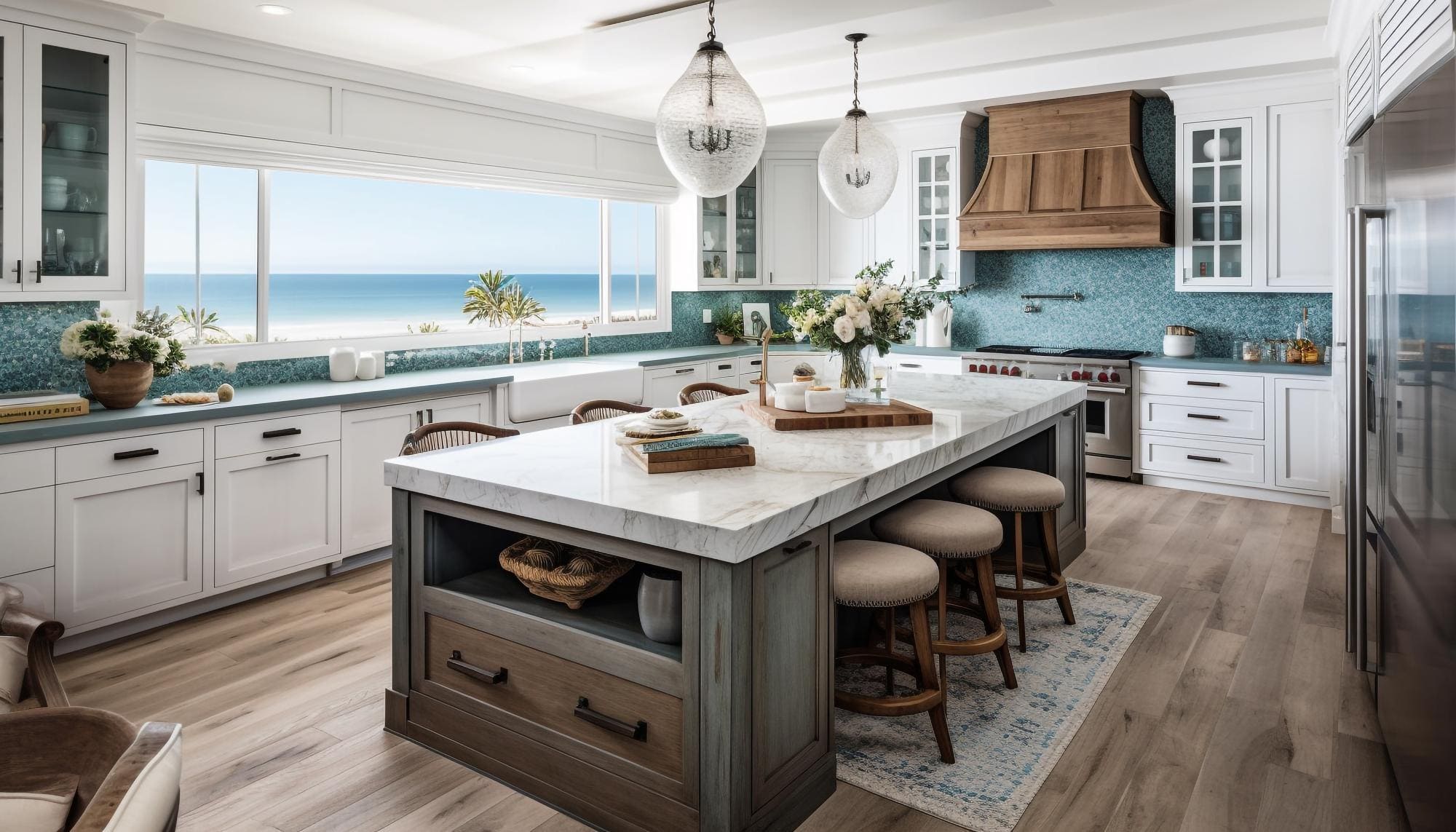
I still remember the day I decided to design my small kitchen. I started browsing modern kitchen designs online, but the number of layouts and styles left me distracted, and I no longer knew which option suited me best. That made me ask: what are the main types of kitchen layouts, and what makes each one different?
What are the main types of kitchen layouts?
Kitchen layouts differ according to how furniture, cabinets, and electrical appliances are arranged within the kitchen. This depends on the kitchen size, personal preferences, and other factors. Here are five common types of kitchen layouts:
One-wall kitchen layout

This is the most suitable layout for narrow spaces. All cabinets are fixed along one wall, which may also include the sink, cooker, electrical appliances, and upper or lower shelves. This type is usually used in open kitchens that do not have a dedicated room, such as kitchens in some commercial spaces, small homes, and studio apartments.
L-shaped kitchen layout

This is one of the most popular kitchen layouts. Cabinets are distributed across two perpendicular walls, one longer than the other, creating the shape of the letter L while leaving a rectangular open area. This layout suits small and medium spaces, especially kitchens with unequal dimensions, such as 3 x 4 or 4 x 5 kitchens.
U-shaped kitchen layout

This layout uses three perpendicular walls, with each wall holding a number of cabinets and other kitchen elements, while the fourth wall contains the kitchen door. It is important to note that this layout is not suitable for small kitchens. It may also make it difficult to add a table unless the space is large enough. However, it is useful if you need plenty of storage or have many appliances, cookware, and tools.
Island kitchen layout

The island layout is the most luxurious among kitchen layouts. It features a stone or wooden counter in the center, known as the island. The island may include a sink, a marble preparation surface, or a place for dining and conversation. This design needs a large kitchen space to work successfully.
How do you choose the right kitchen layout?
After learning about the main kitchen layout types, choosing the right design for your kitchen may still feel confusing. These steps can help you make the decision:
1. Define your kitchen space
The first thing to do is measure and define the space of the kitchen you want to design. Space plays a major role in deciding which layout is most suitable. If your kitchen is very small, you may consider a one-wall layout, while an island kitchen may be suitable if your kitchen is large.
2. Define your personal needs
Every person has different preferences. What suits you may not suit someone else, so start by listing the ideas and requirements you need. For example: you may want a small dining corner for quick meals, prefer the cooker and sink to be close to each other, choose aluminum and marble among kitchen materials, or need a good number of drawers and lift-up cabinets in the kitchen.
3. Consult your family
- After defining your kitchen space and clarifying your needs, discuss the future kitchen design with your spouse and family members. Listen to each person's preferences and consider how practical they are. Then update your requirements list to include your family's needs.
4. Work with experts
At this point, you know exactly what you want, but choosing between many kitchen designs can still be difficult. This is where experienced kitchen design specialists can help. They can suggest designs that match your needs and suit your kitchen space. If you are looking for an expert company to design your kitchen using modern methods and high-quality, durable materials, you can contact the experts at Nano and get designs that meet your needs.
Images in this article are sourced from Freepik.